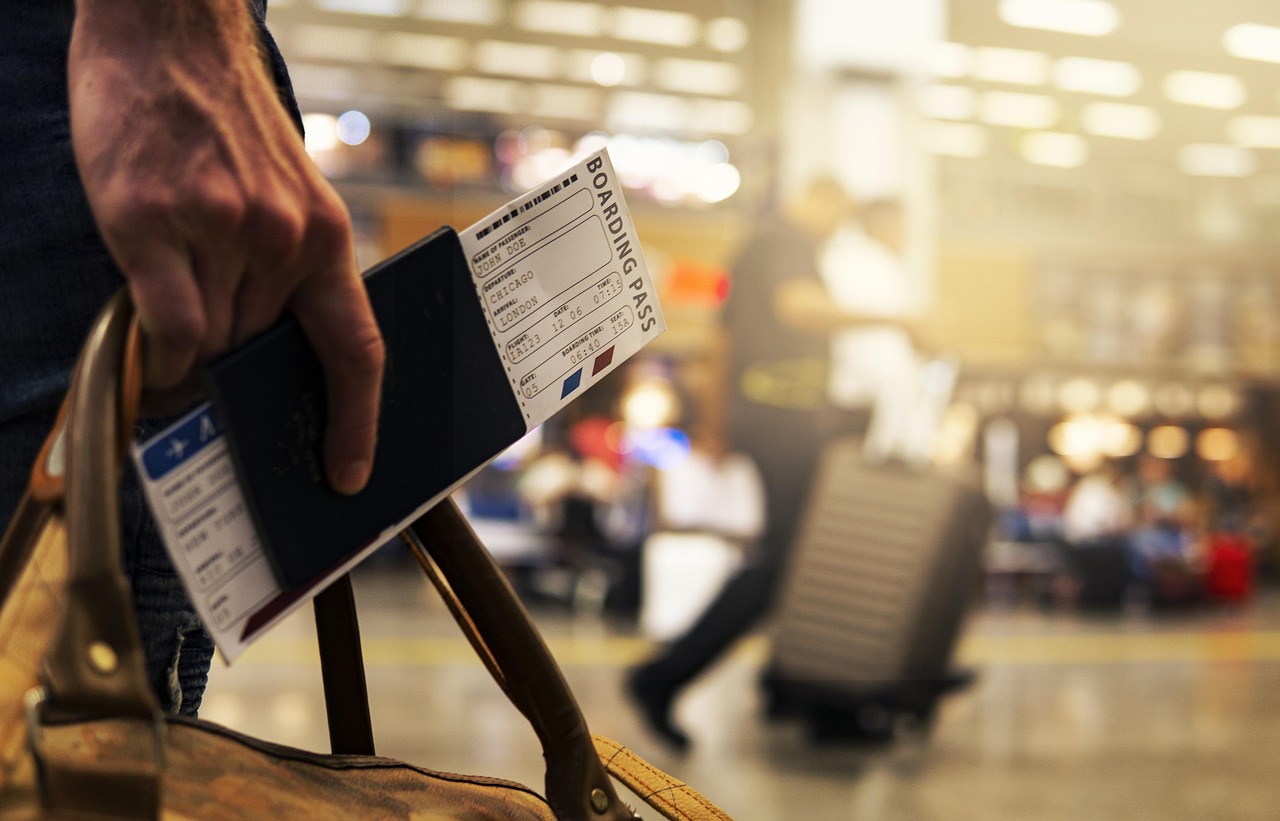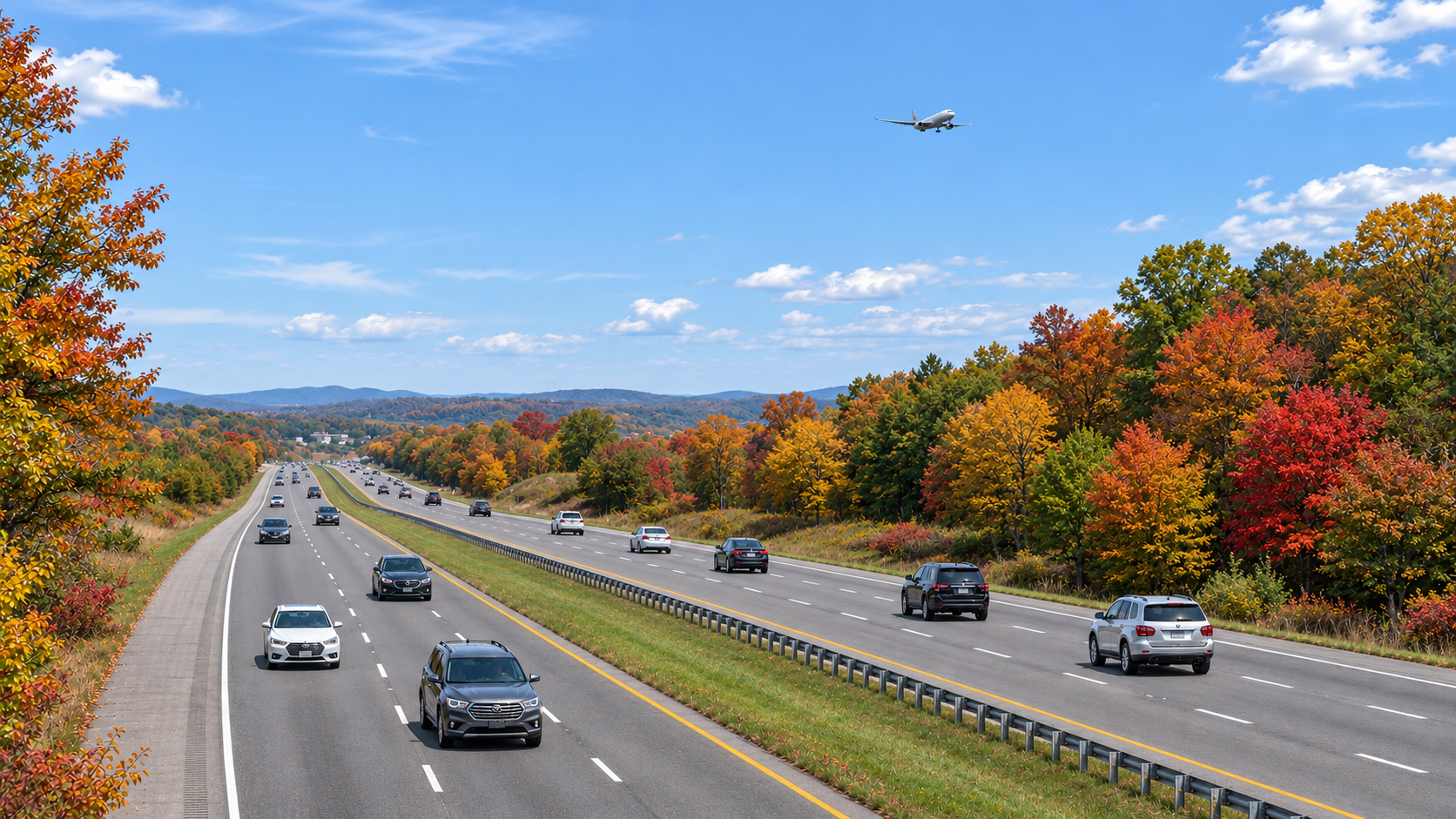
Thanksgiving travel will cost more this year, and nearly as many Americans are hitting the road and skies anyway.
AAA projects 81.5 million people will travel at least 50 miles from home between Tuesday, Nov. 24, and Monday, Nov. 30. That is about 121,000 fewer travelers than last year's 81.6 million, ending a three-year streak of record Thanksgiving travel that began in 2023.
The slight dip has not eased the strain on wallets. Roundtrip domestic airfare averaged $800 per ticket among members who booked Thanksgiving trips through AAA Travel, a 17% increase over last year, according to AAA data.
AAA spokesperson Aixa Diaz told Surround Sound News that the $800 figure reflects a specific slice of travelers. "$800 is the average total price our members paid when booking their Thanksgiving plans through us," Diaz said. "Most people who book through AAA Travel are going on trips to desirable, in-demand destinations, and those tend to be more expensive."
Gas prices could set a Thanksgiving record
AAA projects 72.9 million people will drive for the holiday, down from 73.1 million last year. The organization attributed the drop partly to record-high gas prices in August, September and October. November could follow the same pattern, according to AAA. The national average on Thanksgiving Day has never topped $4 per gallon. The previous high was $3.58 in 2022.
"After three years of record highs, the number of travelers is slightly lower partly because of higher travel costs this year," Stacey Barber, vice president of AAA Travel, said in the forecast. "But travelers won't notice much of a difference on the roads and at the airports, since projected volumes remain near record levels."
Detroit traffic and the I-96 corridor
Transportation data firm INRIX, whose projections AAA published, expects the busiest driving days to be Tuesday and Wednesday before Thanksgiving and Sunday and Monday afterward.
Diaz pointed Surround Sound News to the metro-level data. "We have data for these major metro areas in the release, and we include the expected increase over regular traffic," she said.
For metro Detroit, INRIX forecasts peak congestion on the Grand Rapids-to-Detroit stretch of I-96 East on Friday, Nov. 27, at 4:45 p.m. The estimated travel time is 3 hours and 9 minutes, a 42% increase over a typical trip.
Detroit also ranks eighth among AAA's top domestic Thanksgiving destinations, boosted by the city hosting a Thanksgiving Day football game.
Best and worst times to drive
INRIX data, published by AAA, lays out the week's driving windows:
- Tuesday, Nov. 24: Worst 2–8 p.m.; best before 1 p.m.
- Wednesday, Nov. 25: Worst noon–7 p.m.; best before noon.
- Thursday, Nov. 26: Minimal traffic expected.
- Friday, Nov. 27: Worst 1–7 p.m.; best before noon.
- Saturday, Nov. 28: Worst noon–9 p.m.; best before 11 a.m.
- Sunday, Nov. 29: Worst noon–8 p.m.; best before 11 a.m.
- Monday, Nov. 30: Worst 2–7 p.m.; best before 1 p.m.
Morning departures offer the clearest roads every day of the travel window, according to INRIX.
How to save on flights
Diaz offered Thanksgiving-specific advice that differs from AAA's general year-round tip to fly on Tuesdays and Wednesdays. During the holiday, those midweek days are among the busiest.
"For Thanksgiving travelers looking to save, booking Thursday-Saturday flights is a good option," Diaz said. "Flexibility is a traveler's best friend, so if you can fly out on Monday and stay until the following Tuesday, even better. Those days won't be as busy or expensive."
For travelers with no fixed schedule, she recommended the week after Thanksgiving. "It's post-Thanksgiving but pre year-end holidays," Diaz said.
Quick savings tips
AAA's forecast includes several budget recommendations: check secondary airports for cheaper fares, sign up for gas station loyalty programs, and pack your own food whether flying or driving. AAA also reminds drivers to check tires, batteries and fluids before leaving. The organization responded to more than half a million roadside calls during Thanksgiving 2025.
About 5.96 million travelers are expected to fly domestically, while 2.6 million plan to take buses, trains or cruises, a 4.1% increase in that category over last year.