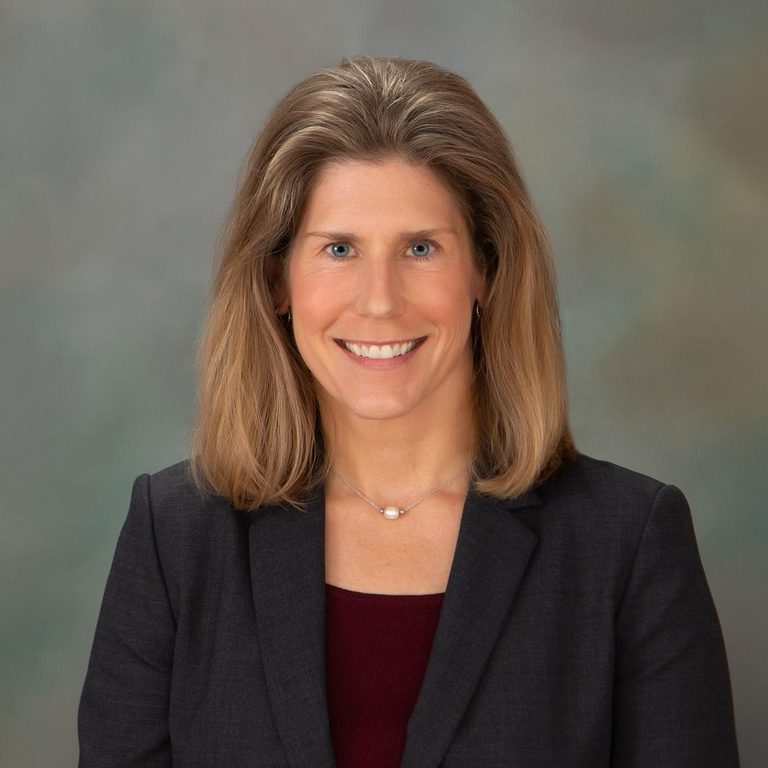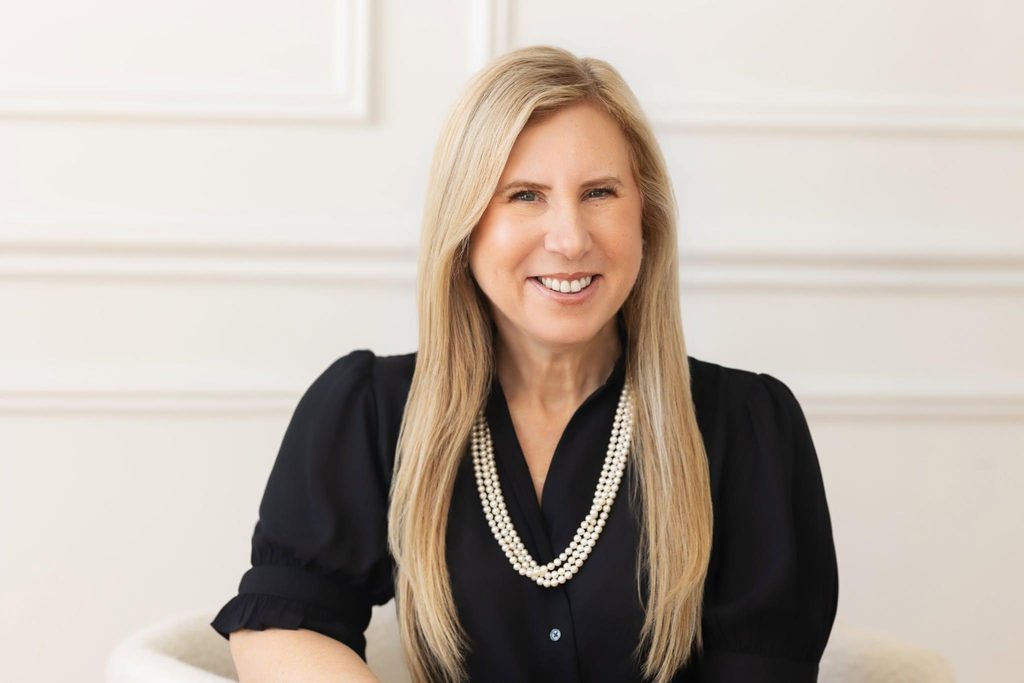
Suzanne Fanning, a probate attorney, is running for Wayne County Probate Court judge in the Nov. 3, 2026, general election.
Three candidates are competing for three six-year seats in the nonpartisan contest: Sarah Colegrove, Fanning and Vanessa M. Moss, according to the Michigan Department of State’s candidate list. Voters may choose up to three candidates.
The following responses come from the Dearborn Dispatch candidate questionnaire. Direct quotations are Fanning’s own words and have been excerpted for length. Additional information is attributed to public sources throughout.
Asked why she is seeking the bench, Fanning cited her experience handling complicated probate disputes and helping other attorneys resolve cases.
“After 30 years of probate practice, running a successful probate firm, and concentrating in complex, high conflict trust, estate and probate cases, I was being asked more frequently to mediate and facilitate other probate cases,” she wrote.
“However, I found that rather than passively assist case resolution, I wanted to be proactive and decisive.”
Fanning also described her connection to Wayne County.
“I emigrated to Detroit from the UK to go to Wayne State Law School, and I have lived in Wayne County for the last 30 years,” she wrote. “I want to give back and serve the residents of Wayne County who have accepted a British immigrant and to be the best servant I can be.”
Candidate information
Education: Fanning reported graduating from the University of Bristol in England in 1991 with an honors bachelor’s degree in political history. She attended Wayne State University Law School from 1993 to 1996 and earned a law degree.
Family: Fanning said she and her husband, Rick, have been married for 29 years and have three adult daughters.
Political affiliation: Fanning declined to identify a personal party affiliation, emphasizing the nonpartisan nature of judicial elections.
“My position is that I do not care if someone wears a red hat or a blue hat, if they need assistance, it is my job to provide a legal remedy to help them,” she wrote.
Prior elected or appointed roles: Fanning said this is her first campaign for judicial office. She reported election to the Washtenaw County Bar Association board for 2025-26 and service as elected chair of its Probate and Estate Planning Section.
Experience and public service
Fanning said she began her career as a litigation attorney before developing a practice focused on trust and probate disputes.
“In 2014, I opened a full service probate and estate planning firm,” she wrote.
She said her work has included trust disputes, will challenges, guardianships, conservatorships and cases involving financial exploitation of older adults.
“Probate Courts have routinely appointed me as a professional fiduciary, trustee, personal representative, conservator and guardian in high conflict cases,” she wrote.
These roles can involve managing assets, administering estates or making court-authorized decisions for people who need assistance.
Fanning also reported serving as a certified elder mediator and training attorneys for probate appointments.
In her questionnaire, she said she received a Spirit of Detroit award from the Detroit City Council in 2026 for volunteer work helping address deed fraud.
On the issues
Aging and financial protection: Fanning identified disability, loss of independence, financial exploitation and family disputes over estates as challenges facing probate courts.
She said courts must address growing needs for assistance with decision-making while protecting people from undue influence and exploitation.
Fanning also raised concerns about guardianship and conservatorship proceedings, including decisions involving the sale of a person’s home or placement in residential care. She supports safeguards for the autonomy, wishes and needs of people involved in those proceedings.
Access to justice: Fanning said remote hearings can help people participate without leaving their homes or hospitals, but technology can also create barriers for older adults, people with disabilities, people learning English and those without reliable access to devices or internet service.
“We must provide accommodation for these individuals to have the same access to justice,” she wrote.
Reducing delays: Fanning said she wants to reduce unnecessary hearings and address urgent matters more quickly.
“It is my goal to be decisive to cut down on the number of hearings necessary to obtain relief,” she wrote.
Judicial approach: Fanning emphasized listening, empathy and respect for people navigating unfamiliar proceedings.
“Probate court is intimidating to ordinary people often going through the worst moment of their lives with a death or disability,” she wrote.
“It is my job to help the people before me in a way that preserves their dignity and offers empathy and kindness.”
What sets her apart: Fanning identified her probate experience, work with complex family disputes and litigation background as her distinguishing qualifications.
“I admire my two fellow candidates for Probate Judge,” she wrote. “Both are accomplished attorneys and I would be honored to work with them.”
Voters can check their ballot and registration information through the Michigan Voter Information Center.