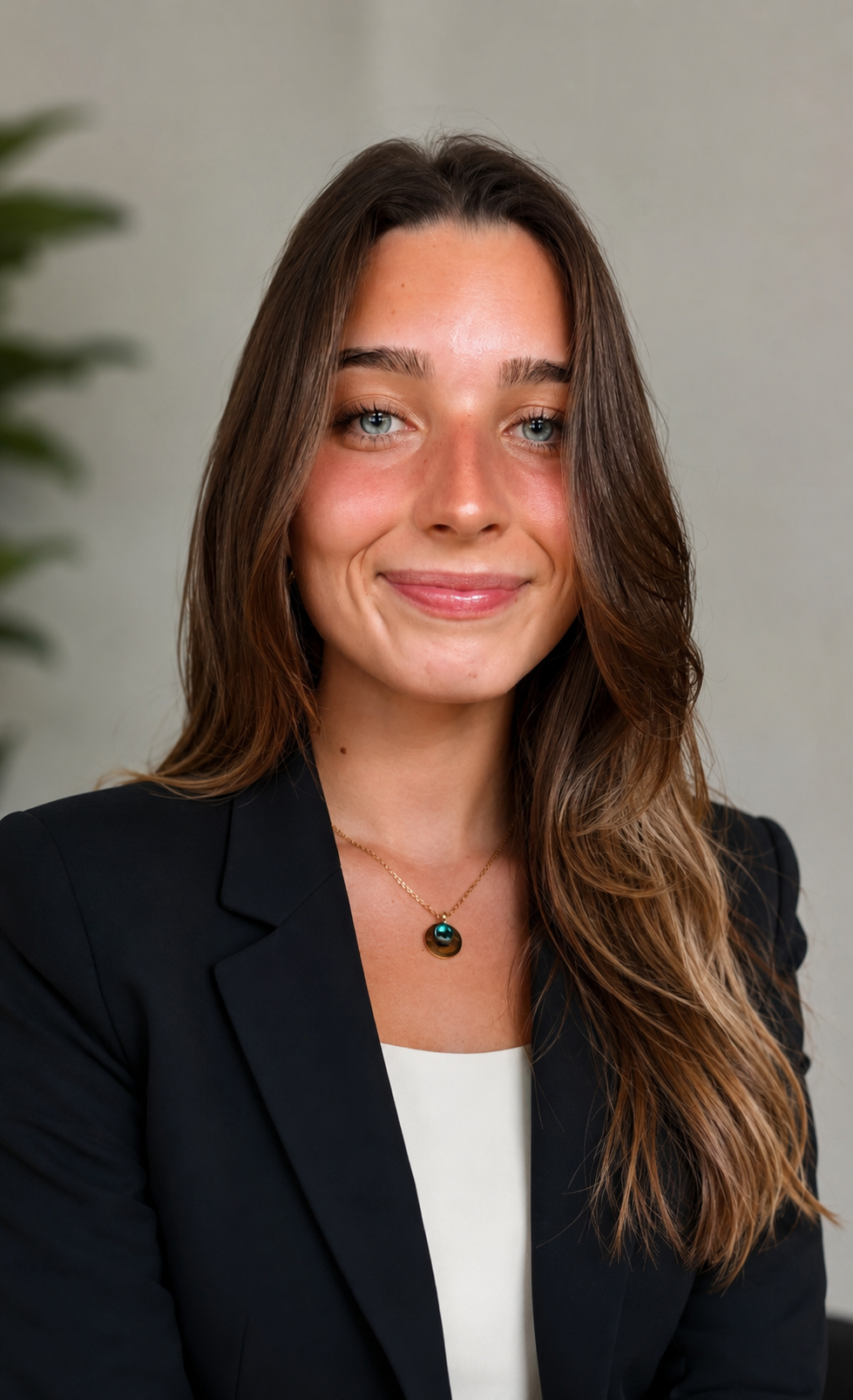
Shereef Akeel, a Troy civil rights attorney and Wayne State University graduate, won a seat on the Wayne State University Board of Governors on Nov. 3, according to unofficial results reported by the Arab American News.
Akeel and fellow Democrat Richard Mack, a labor attorney, won the two available seats, the outlet reported Nov. 6. The two defeated Republicans Christa Murphy and Andy Anuzis and will replace outgoing Democratic incumbents Bryan Barnhill and Anil Kumar.
In Dearborn, Akeel drew 31,657 votes, or 41.66% of candidate votes in the two-seat race, according to the city’s Nov. 4 unofficial results. Voters could choose up to two candidates.
Who is Shereef Akeel?
Akeel is a partner at Akeel & Valentine PLC in Troy. He holds a bachelor’s degree in economics from the University of Michigan, an MBA from Wayne State and a law degree from Detroit College of Law, now Michigan State University College of Law, according to his law-firm biography. He is also a certified public accountant.
His campaign biography describes litigation involving employment discrimination, bank customers targeted because of religion or ethnicity, and questioning of travelers at border crossings.
Akeel was co-counsel in Al Shimari v. CACI, a lawsuit filed in 2008 involving three Iraqi men who alleged torture at Abu Ghraib prison. A jury awarded them a total of $42 million in 2024, according to the Center for Constitutional Rights’ case record. However, the Fourth Circuit reversed the judgment Aug. 28, 2026, and instructed the district court to dismiss the case without prejudice.
Akeel had not previously held elected or appointed public office, he stated in a candidate questionnaire summarized by Farmington Focus.
What it means for Wayne State
Democrats will maintain their 5-3 majority on the eight-member board, according to the Arab American News. The board also includes Democrats Danielle Atkinson, Marilyn Kelly and Shirley Stancato, along with Republicans Michael Busuito, Sunny Reddy and Terri Lynn Land. The university’s published board roster confirms those members.
Members of Michigan’s three major university governing boards are elected statewide to eight-year terms.
In his published questionnaire responses, Akeel called for affordable tuition and stronger support for first-generation students. He advocated better advising, mental health services and clearer paths to graduation and employment. He also wanted the university’s teaching, research and medical expertise connected more closely with underserved communities.
All vote totals remain unofficial pending county and state certification.